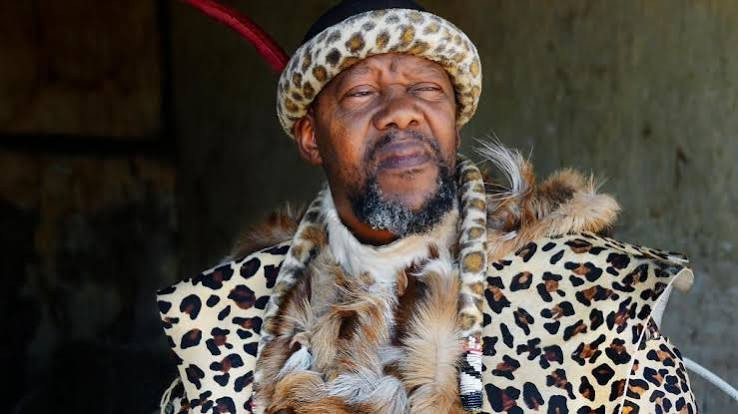
Former Ntabazinduna and United Kingdom-based chief Felix Nhlanhlayamangwe Ndiweni has argued that King Mzilikazi’s commemorative day should have been recognised first before the declaration of King Munhumutapa Day
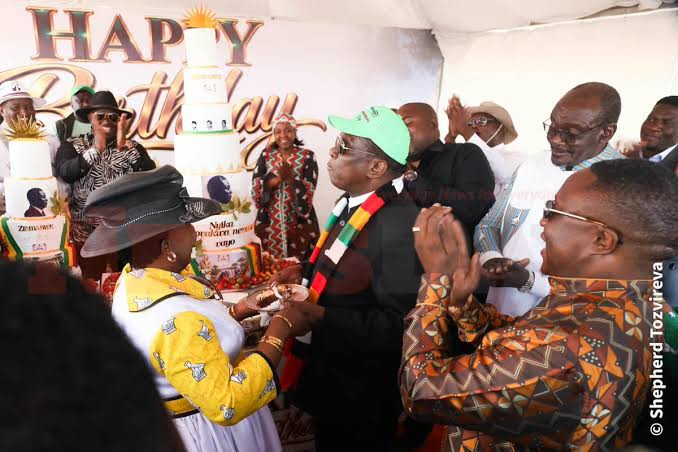
President Emmerson Mnangagwa recently roclaimed September 15 as Munhumutapa Day, a decision that has drawn debate partly because the date coincides with his birthday.
Chief Ndiweni said national holidays should ordinarily emerge from the people through consultation and parliamentary processes rather than being imposed through an executive directive.
“There should be consultation and discussion before a national holiday is gazetted,” he said.
“This one came from the top as a directive and that creates a difficulty because there is no organic buy-in from the population.”
He argued that while Zimbabweans would accept the new holiday as a day off work, many would not necessarily attach any cultural or historical significance to Munhumutapa.
“People will take it as a holiday, a time to be with family and friends,” he said.
“They will not necessarily be thinking about Munhumutapa or what the president was trying to achieve by introducing the holiday.”
- Ndiweni: I’m going nowhere
- Ndiweni: I’m going nowhere
- Chiwenga threats draw fire from chief…‘Kill me if you want’
- Chiwenga threats draw fire from chief…‘Kill me if you want’
Keep Reading
According to Ndiweni, thousands of people now gather to commemorate King Mzilikazi without waiting for government recognition, with celebrations spreading beyond Zimbabwe to countries including the United Kingdom, United States, Canada, South Africa, Australia, New Zealand and Japan.
Ndiweni said this grassroots support meant Mzilikazi Day could not easily be stopped by government action and urged authorities to recognise it as a national holiday.
Ndiweni maintained that, from a historical perspective, King Mzilikazi should have been recognised before Munhumutapa because there is substantially more documented information about the Ndebele monarch, including his birthplace, movements, relationships and historical period.
“Everything is known about him,” he added.
“We have places, names and dates that define him historically.
“Authors have written book after book about him, films have been made about him and we know about his culture and way of life.”
By contrast, he questioned what he described as gaps and uncertainties surrounding the Munhumutapa narrative, arguing that the government should have prioritised a figure whose history is more extensively documented.
O-Zapu president Mathew Sibanda said the controversy surrounding the two commemorations should not be reduced to a contest between historical figures.
Sibanda said the government had an opportunity to embrace the country’s different historical traditions rather than using national commemorations as instruments of political competition.
“Zimbabwe has never been a single-history society,” he said.
“Our people come from different historical nations and communities, each with its own heritage, heroes, traditions and memories.
“The government should recognise that diversity instead of deciding from the top which history deserves official recognition.”
He said the recognition of Munhumutapa Day should not be used to overshadow King Mzilikazi, whose historical legacy, he argued, has already been embraced by communities through the growing Mzilikazi Day commemorations.
“The question should not be whether Munhumutapa deserves to be remembered,” Sibanda said.
“The question is why a historical figure such as King Mzilikazi, whose legacy is already being celebrated by thousands of people, has not received similar official recognition.”