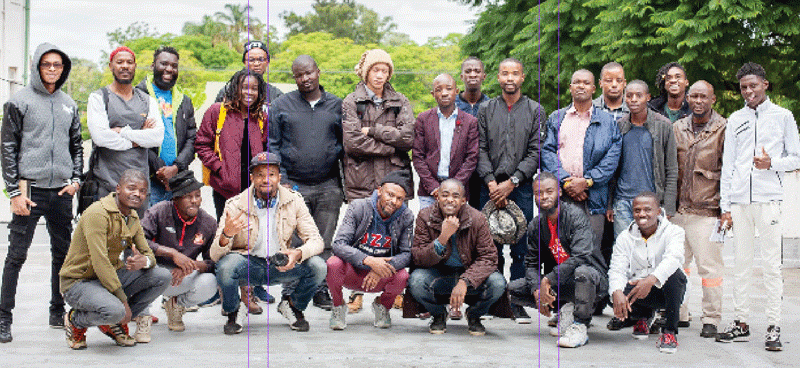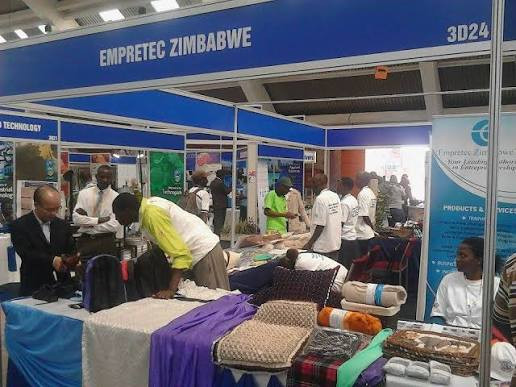
Empretec Zimbabwe is driving entrepreneurship and small business development across Matabeleland, helping thousands of young people and women move from unemployment and informal trading into sustainable enterprises.
Southern Region coordinator Lifneth Moyo told Southern Eye Business that the United Nations-backed programme equips micro, small and medium enterprises with skills, finance linkages and market opportunities.
Empretec is a UN Conference on Trade and Development flagship programme focusing on immersive training, mindset shifts and business linkages.
“The main goal is to help create and grow sustainable, innovative and competitive SMEs,” Moyo said.
Its entrepreneurship training workshop strengthens entrepreneurial competencies, followed by advisory services, mentorship, business-plan development and market and finance linkages.
Moyo said the focus is on youth, young women and women-led MSMEs.
Programmes include the basic start-up tool, micro entrepreneurship workshop, farming as a business, access, trade opportunities, financial literacy, internal savings and lending associations, value addition and digital marketing.
Impact is visible in agriculture, manufacturing, agro-processing and services.
- ABC boosts mango production
- ABC boosts mango production
- I will definitely win 2023 elections: Mwonzora
- We will rule forever: ED says
Keep Reading
Women’s groups in Silalatshani, Insiza and Amazon Irrigation in Filabusi were trained in ISALs and value addition, forming savings clubs that invested in vegetable drying.
Through opportunities for youth employment and youth employment and Entrepreneurship, implemented in Bulawayo, Matobo and Mangwe with SNV Netherlands Development Organisation, Empretec trained 1 550 young people, 55% of them women.
The 2019-2026 programmes targeted out-of-school, unemployed and under-employed youths, offering skills, mentorship and starter kits.
About half received starter kits, venturing into smart agriculture, hydroponics, mushroom, poultry and pig production in Bulawayo.
In Mangwe, enterprises include goat, rabbit, peanut butter, school uniform and detergent production, while Matobo goat and poultry producers gained market linkages.
Moyo said mindset change had a major impact.
“Many graduates credit the mindset training for helping them move from ‘job-seeking’ to ‘opportunity-seeking’,” she said.
Agro-processing and manufacturing SMEs in Bulawayo’s industrial areas gained linkages with retailers and mining companies.
Women-led craft, food processing and service enterprises accessed trade fairs and supply contracts, while youth-led technology and service businesses formalised to bid for tenders.
Graduates join the Empretecos alumni network, with linkages to the Zimbabwe National Chamber of Commerce, Bulawayo City Council and industrial players.
Empretec also partnered with Sight Savers, FoDPAZ and Jairos Jiri to empower people with disabilities.
An Innovation Challenge Pitching event at Rainbow Hotel saw participants receive grants of US$300 to US$450.
Its EU-supported SCOPE4IVC project ran in Bubi and Umzingwane from 2020 to 2023 and ended with a market fair in Bulawayo commemorating Women’s Day.