For a few weeks each spring, usually around September and October, Bulawayo performs a magic trick it never bothers to advertise.
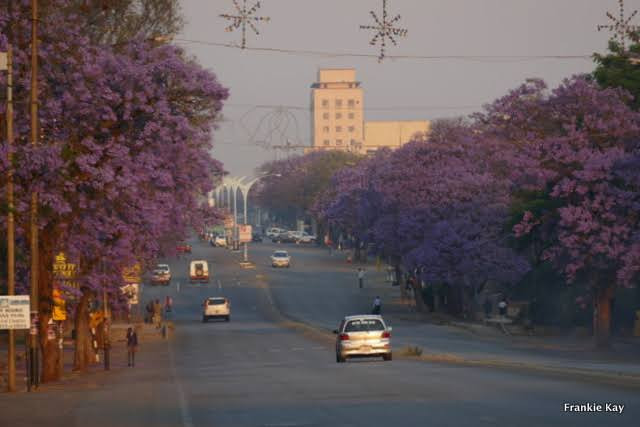
Overnight, whole avenues lose their grey and go violet.
The tarmac disappears under a carpet of fallen blooms, cars parked beneath the canopy return home dusted purple like they have been to a very stylish crime scene and for a brief season the City of Kings looks less like an industrial town in decline and more like a film set nobody paid for.
Then the flowers drop, the leaves come back and we go on as if nothing happened.
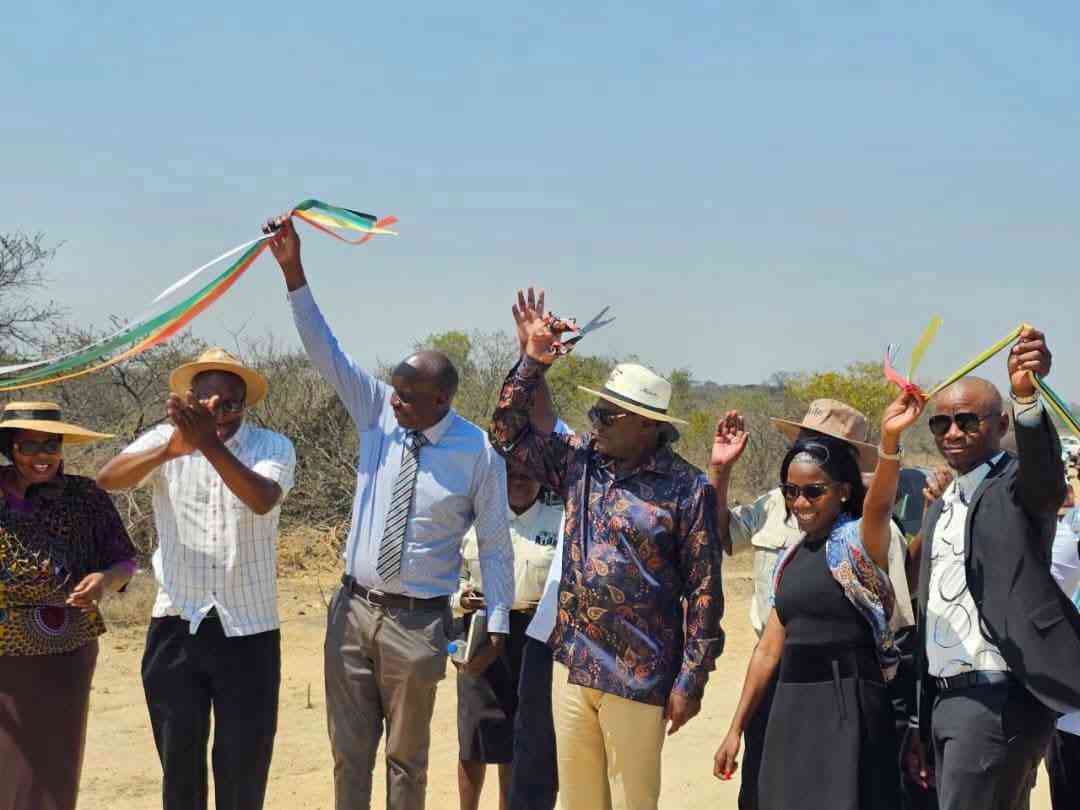
This is, frankly, a strange way to treat a tourism product that requires no funding proposal, no groundbreaking ceremony and no ribbon cutting politician.
The jacaranda does its job for free, every year, without being asked twice. Somewhere, a marketing department is being paid a salary to achieve a fraction of what one flowering tree manages on its own initiative.
The trees themselves are not indigenous. They were introduced during the city’s colonial development and became part of Bulawayo’s distinctive tree lined landscape.
That history is worth sitting with rather than skating over: a foreign species planted for aesthetic control has, a century later, become something residents genuinely love and identify with, purple blossoms folded quietly into the city’s sense of itself.
- Revisiting Majaivana’s last show… ‘We made huge losses’
- Edutainment mix: The nexus of music and cultural identity
- Letter from America: Education: Zimbabwe still ahead of the pack
- ChiTown acting mayor blocks election
Keep Reading
Heritage, it turns out, does not always arrive with a family tree. Sometimes it just puts down roots and waits.
Other cities have known exactly what to do with this kind of spectacle. Pretoria has turned its jacarandas into a recognisable city brand, earning the nickname “Jacaranda City”, a title visitors have come to associate with its purple spring streets.
Grafton, in Australia, runs an entire festival around its jacaranda season, with parades, a Jacaranda Queen tradition and enough merchandise to make a botanist blush.
Harare has its own bragging rights each spring. Bulawayo, with its famously wide streets and extensive jacaranda lined avenues, has mostly treated the whole affair as weather.
There is an obvious, low cost opportunity here, and it does not require a single new tree.
A modest jacaranda trail through the older suburbs and the CBD, mapped and promoted for the flowering season, would give photographers, families and out-of-town visitors an actual reason to walk streets they currently only drive through.
Hotels and coffee shops could build a “purple season” package around it with the enthusiasm they currently reserve for Valentine’s Day.
Schools could turn it into a genuine citizen-science exercise, having pupils record bloom dates year on year, which, incidentally, is exactly the kind of long-term data that helps a city understand how its own climate is shifting.
None of this is free of complication, and a serious conversation about the jacaranda cannot pretend otherwise.
As an introduced species, it can compete with indigenous trees for water and space, and it is classified as an invasive or declared invader in parts of South Africa.
Any council that starts talking about jacarandas as a civic asset should be talking in the same breath about indigenous tree planting elsewhere in the city, not instead of it.
Loving a tree does not require ignoring the ecologist standing next to you, arms folded, pointing at the root system.
But there is a difference between managing a species responsibly and pretending it is not one of the more photogenic things happening in Bulawayo all year.
Right now we are doing neither. The trees are neither being celebrated properly nor being managed with any particular intention.
They simply exist, flower, and are swept up by municipal workers whose thanks for clearing a genuinely lovely mess is, presumably, more mess next October.
A city with an industrial heritage now searching hard for a new identity does not get handed many gifts this uncomplicated.
Bulawayo has one arriving on schedule, unpaid and unbothered, for a few weeks every spring. The least we owe it is a hashtag, a walking map and the good sense to stop treating a genuine spectacle as an inconvenience for the road sweeping department.
Purple, it turns out, was always our colour. We just never printed the postcards.