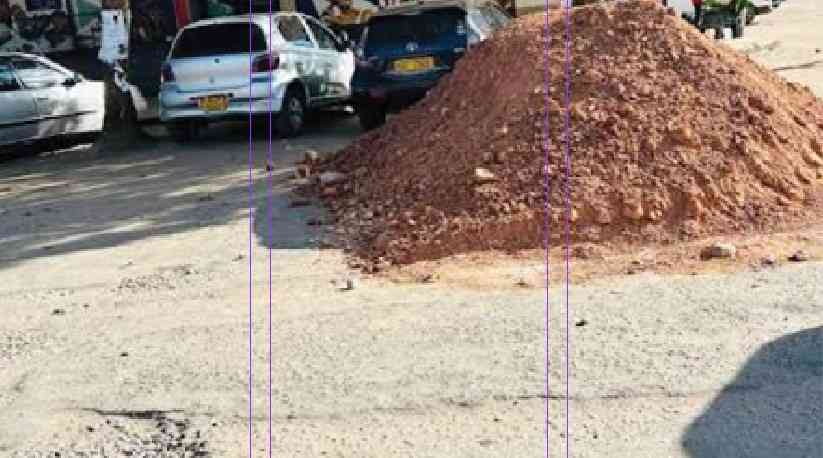
One of the pressing service delivery issues raised during the City of Bulawayo’s 2027 proposed budget consultations last week was the use of sand to patch roads instead of tar, with residents forced to live with the health risks associated with persistent dust.
The consultations held at Stanley Hall, Makokoba last week, and meant to give ratepayers a platform to input into the city’s budget priorities, turned into a grievance platform for Ward 7 residents who said roads in their area have been neglected for years.
While council has attempted to make the roads passable by filling potholes with sand and loose soil, residents said the intervention has created a bigger problem than the potholes themselves.
The residents said the entire neighbourhood is now covered in a permanent cloud of dust, with homes, shops, schools and clinics bearing the brunt.
They said the situation worsens during windy days and when vehicles speed through the residential area.
One resident said the council appears to have abandoned its responsibility to provide durable roads.
He said what was once green vegetation around his home has now turned khaki brown due to layers of dust, while inside the house dust covers everything, forcing residents to keep windows and doors shut throughout the day without relief.
He appealed to council to at least water the roads regularly to suppress the dust while a lasting solution is sought.
- Take Money clinches sponsorship deal
- Proposal to rehabilitate silted Umzingwane Dam
- Proposal to rehabilitate silted Umzingwane Dam
- We’ll serve you better next year: Byo mayor
Keep Reading
Another resident, Silibaziso Nyathi, told Southern Eye that the impact has gone beyond inconvenience to become a serious health threat, particularly for children and the elderly.
“I have relatives, who are suffering after a lot of dusty soil was dumped on roads in an attempt to fix potholes,” Nyathi said.
“But it has turned into a health crisis. Children, the elderly, everyone is inhaling this dust. It’s everywhere: in classes, in cars and in shops.”
She said relatives living close to the patched roads have started experiencing persistent coughs, flu and breathing difficulties since the soil was dumped.
Another resident Sipho Ngwenya questioned why local universities and technical colleges were not experimenting with cheaper road materials.
“What are the local universities and technical colleges actually doing such that they can’t experiment with cheap and locally available materials and innovative processes?,” Ngwenya asked.
A health practitioner from Mzilikazi Clinic, identified only as Sister Moyo, explained how breathing in dust over time can affect respiratory health.
“Prolonged exposure to dust can affect lung function and put respiratory health at risk,” Moyo said.
“Lungs end up not functioning properly and any disease that develops from the lungs lingers on strongly because they are not clean.”
She said children are more at risk because their lungs are small and they lack fully developed nasal hairs to filter dust, making them prone to repeated flues and infections.
Residents said they hope council will take their concerns seriously in the 2027 budget and allocate funds for proper road rehabilitation with tar.