A young man selling roast chicken from a small stand near town once told me, with complete seriousness, that his biggest business problem was not having an app.
Not the queue, not the supplier who sometimes disappears with the deposit, not the generator that coughs every time it rains. The app.
He had seen a much bigger restaurant chain with one and decided that was the missing ingredient standing between him and success.
This confusion is more common than it should be and it is worth clearing up properly, because it costs people real money to get it wrong in either direction.
An app is not a badge of seriousness you earn once your business feels important enough. It is a specific tool for a specific kind of relationship and handing it out to the wrong relationship is a bit like giving a spare house key to someone who visits once a year for Christmas.
Kind gesture, wrong tool. They do not need a key. They need you to hear the doorbell and let them in when they arrive.
A website or even a well-run WhatsApp Business line, is the doorbell.
A customer rings it when they need something, gets what they came for, and leaves without needing a standing arrangement.
- Not every business deserves a spare key
Keep Reading
An app is the spare key. It sits permanently on the customer’s phone, uninvited into their daily routine, quietly able to knock on them with a notification whenever it wants.
That level of access is not something you deserve simply because a competitor has it.
It is something you earn because the relationship genuinely needs that much closeness.
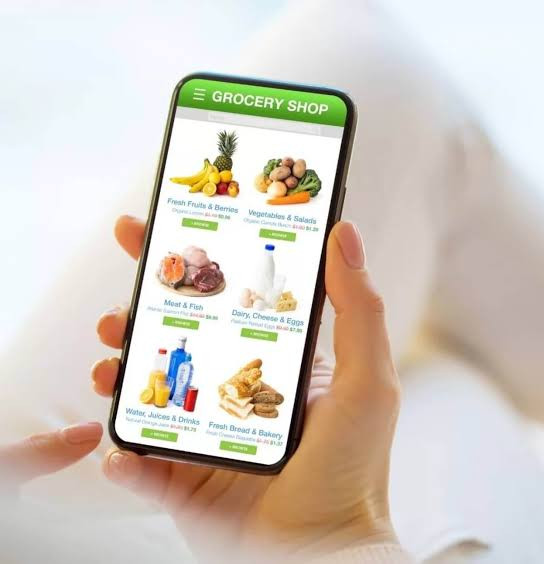
The honest test is frequency, not ambition. Does this customer realistically need you often enough, ideally weekly, that a permanent icon on their home screen earns its place among the handful of apps they never delete. A grocery delivery service passes that test easily.
A school collecting term fees passes it. A freight company matching trucks with loads in real time, which is exactly the itch that led me to build Linktruck in the first place, passes it, because the whole value is in instant alerts the moment a load or a truck becomes available, something a website checked twice a day simply cannot deliver.
A roast chicken stand, a boutique, a hardware shop someone visits three times a year for a specific job, none of these pass that test and there is no shame in that.
They are simply doorbell businesses and a doorbell that works properly beats a spare key nobody remembers they were given.
There is also a cost to asking for the wrong one that most people never calculate.
Getting a customer to visit a website costs them one tap.
Getting a customer to install an app costs them storage space, a download over data they are paying for and a small leap of trust that this business is worth a permanent spot on their phone.
Ask for that leap too early, before the relationship has earned it and most customers simply decline quietly, and you never learn how many said no, because a download that never happened leaves no trace at all.
None of this means apps are overrated. Built for the right relationship, an app does something a website structurally cannot, it lives inside the customer’s daily habits instead of waiting patiently to be visited. The mistake is wanting the tool before checking whether the relationship justifies it.
Start by being honest about how often your customer genuinely needs you. The answer to that question, more than any competitor’s app, is what should decide your next move.
- Wilfred Munyaradzi Kahlari is a cybersecurity expert, software developer and consultant at Kingwil Consultants. He works with boards, government institutions and businesses to strengthen digital governance and build resilient technology frameworks. For engagements: [email protected] | +263 772 212 796.