BULAWAYO, Apr. 23 (NewsDay Live) – Stakeholders at a high-level investment dialogue in Bulawayo on Tuesday urged Zimbabwe to shift from merely attracting capital to mobilising “the right kind” of investment aligned with sustainable development.
Convened by the United Nations Development Programme (UNDP) and the Zimbabwe Investment and Development Agency (ZIDA) on the sidelines of the Zimbabwe International Trade Fair, the Zimbabwe Impact Investment Dialogue brought together government, investors and development partners to unlock inclusive growth.
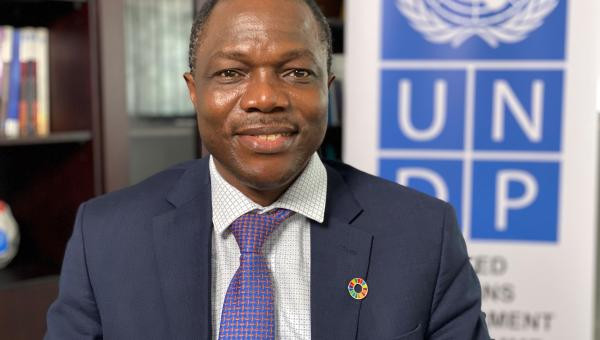
UNDP Resident Representative Ayodele Odusola said Zimbabwe’s trajectory hinges on capital that delivers jobs, resilience and structural transformation.
“Zimbabwe’s development agenda requires far greater volumes of private capital, but also the right kind — investment that supports jobs, productivity, inclusion and long-term transformation,” he said.
He cited structural pressures — 62% of the population under 25, informal employment above 80%, and rural electricity access around 37% — as underscoring the urgency for targeted, impact-driven investment.
Odusola said recent macroeconomic stabilisation presents an opening to pivot toward long-term, inclusive investment, noting the global impact investment market is now valued at US$1.57 trillion, with rising interest in Sub-Saharan Africa.
“That is not a guarantee of inflows, but a signal that capital is looking for credible, well-structured opportunities,” he said.
ZIDA Chief Investment Promotion Officer Silibaziso Chizwina said Zimbabwe is drawing interest from impact investors but lacks adequate frameworks to absorb such capital.
- ZRBF rescues hunger-prone communities
- Zim's 2022 human development ranking very low
- UN piles pressure on ED
- UNDP powers 1 000 rural clinics
Keep Reading
“We’ve been getting inquiries… but we haven’t set up a framework that recognises that kind of finance,” she said, adding engagements with UNDP have evolved into a broader push to build a national impact investment ecosystem.
She identified agriculture, agro-processing, renewable energy and infrastructure as key investable sectors.
Government representative Tafadzwa Muguti called for tighter alignment between investment and national priorities.
“We need to be precise about the kind of capital we want. What good is an investor opening a barbershop?” he said, stressing investment must drive industrialisation, cut imports and support local production.
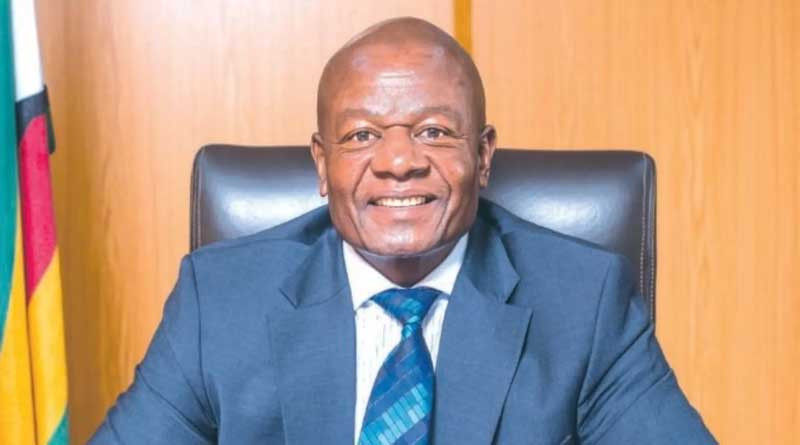
Bulawayo mayor David Coltart positioned the city as an investment hub, citing its strategic location, rail connectivity and underutilised industrial base.
“This is a city open for investment,” he said, while stressing that predictability, rule of law and anti-corruption measures are key to investor confidence.
The dialogue’s core message: Zimbabwe must build the policies, systems and partnerships needed to convert investor interest into measurable development impact.