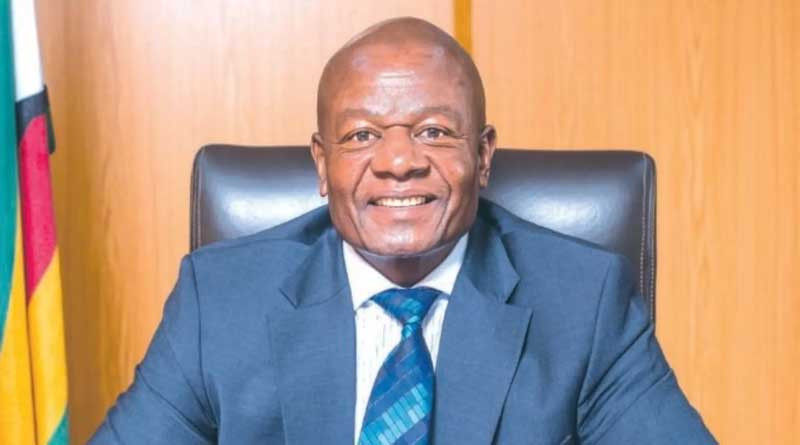
ZIMBABWE remains trapped by a US$23 billion debt crisis that is choking investment, shutting the country out of international capital markets and threatening to undermine hopes of economic recovery, Reserve Bank of Zimbabwe governor John Mushayavanhu has said.
Zimbabwe’s total external debt arrears have also left the country largely locked out of international financial markets and concessional lending from institutions like the International Monetary Fund (IMF) and World Bank.
However, the government is actively pushing an Arrears Clearance, Debt Relief, and Restructuring Strategy to normalise its relationship with the global financial community.
The process is championed by African Development Bank presidency and facilitated by former Mozambican President Joaquim Chissano.
In an interview with NewsDay, Mushayavanhu said the debt burden continued to cast a long shadow over investor confidence, despite recent efforts by authorities to stabilise inflation and the currency.
“Zimbabwe’s debt overhang remains an important challenge, particularly in relation to investor confidence, country risk perceptions and access to affordable long-term financing,” he said.
The admission comes as the government seeks to convince international investors that economic reforms are beginning to yield results after years of currency turmoil, soaring inflation and financial instability.
But with public and publicly guaranteed debt now exceeding US$23 billion, much of it tied to longstanding arrears owed to multilateral lenders and foreign governments, Zimbabwe remains classified as a country in debt distress.
- Renault hands Russian assets to Moscow
- Village Rhapsody: How Zimbabwe can improve governance
- New perspectives: Building capacity of agricultural players in Zim
- Village Rhapsody: Engage men to end gender-based violence
Keep Reading
The consequences are profound.
Locked out of concessional lending and unable to access international capital markets on normal terms, Zimbabwe has been forced to operate without the financial lifelines routinely available to many developing economies.
The exclusion has deprived the country of billions of dollars that could have been invested in power generation, transport infrastructure, healthcare and industrial development.
The debt crisis has also become a powerful deterrent to foreign investors.
International businesses considering Zimbabwe often view the country’s unresolved debt burden as a warning sign of broader economic risk.
Economists say perceptions of sovereign risk continue to drive up the cost of capital and discourage long-term investment, even as authorities point to improvements in monetary management.
Mushayavanhu insisted that the Reserve Bank’s efforts to restore stability were producing results.
“The Reserve Bank’s primary mandate is to maintain price and exchange-rate stability, and recent improvements in inflation and exchange-rate performance demonstrate that the current monetary policy framework is yielding positive results,” he said.
Yet, he acknowledged that debt distress continues to affect the wider economy in ways that monetary policy alone cannot solve.
“The debt overhang can indirectly affect monetary policy transmission through its impact on sovereign risk perceptions, investor sentiment and capital flows.”
The remarks amount to recognition that stabilising prices and exchange rates may not be enough to unlock economic growth while Zimbabwe remains burdened by one of Africa’s most persistent debt crises.
For more than two decades, arrears to international creditors have isolated the country from global financial markets.
The resulting shortage of affordable long-term funding has constrained investment and left the economy vulnerable to recurring liquidity shortages and external shocks.
According to Mushayavanhu, the structured dialogue initiative is helping rebuild relations with lenders who have long regarded Zimbabwe as a high-risk borrower.
He also highlighted the IMF’s Staff-Monitored Programme, which is intended to improve fiscal discipline, strengthen economic governance and demonstrate policy credibility to international creditors.
Officials hope that successful implementation of these reforms will eventually pave the way for debt restructuring, arrears clearance and renewed access to international finance.
However, analysts warn that progress remains fragile and that restoring creditor confidence will require sustained reforms, political commitment and evidence that policy stability can endure.