For years, a persistent narrative has lingered in Zimbabwe’s creative discourse that the people of Matabeleland do not support their own artists.
Yet what is unfolding on the ground tells a far `more powerful and undeniable story—one of a region that is actively rallying behind its creatives with intention, pride, and a deep respect for quality and authenticity.
Matabeleland audiences are not indifferent.
They are discerning, and they reward excellence over mediocrity, substance over noise, and truth over performance. This is a community that understands the value of real storytelling, and creatives who rise to that standard are not only embraced but elevated.
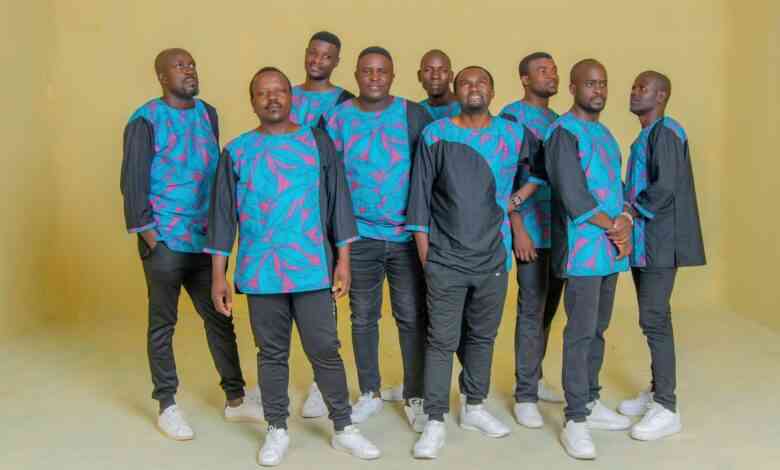
Across music, comedy, literature, and digital storytelling, artists such as Awakhiwe, Asaph Afrika, Amaqaqa, Indosakusa the Morning Star, Calvin Mangena, Madlela Skhobokhobo, Skhosana Buhlungu, Msiz’kay, Sipho Micernt Nyathi, Umnikazi Wempuphu, and Philani A Nyoni are not just surviving — they are thriving.
Their growth is not accidental. It is the direct result of a strong, loyal, and intentional home base that continues to support, amplify, and push their work beyond regional borders.
At the same time, the Matabeleland corporate sector is stepping into its role with renewed urgency and purpose. Businesses are increasingly recognising the value of investing in local creatives, as seen through the growing number of ambassadorial deals being signed.
This is more than branding—it is a shift in mindset, a recognition that culture and commerce are deeply connected, and that supporting creatives is an investment in both identity and economic growth.
- Addressing unfair trade key to transforming African food systems
- Athletics team buzzing after Mauritius heroics
- Urgent economic structural transformation necessary
- South Korea and US fire missiles in warning to North Korea
Keep Reading
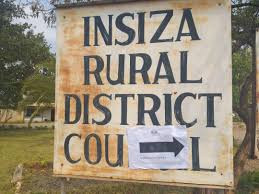
Local councils, even within limited capacity, are also beginning to play their part, showing that institutional support, no matter how modest, contributes to building a sustainable creative ecosystem.
Importantly, creatives themselves are no longer waiting. They are building, collaborating, experimenting, and producing content that is both locally grounded and globally relevant. They are taking ownership of their narratives and creating opportunities where none existed before, proving that consistency and quality remain the foundation of lasting success.
What this moment reveals is both simple and powerful: when Matabeleland creatives unite, everything changes. Opportunities expand, audiences grow, industries strengthen, and a shared cultural identity becomes a force that cannot be ignored.
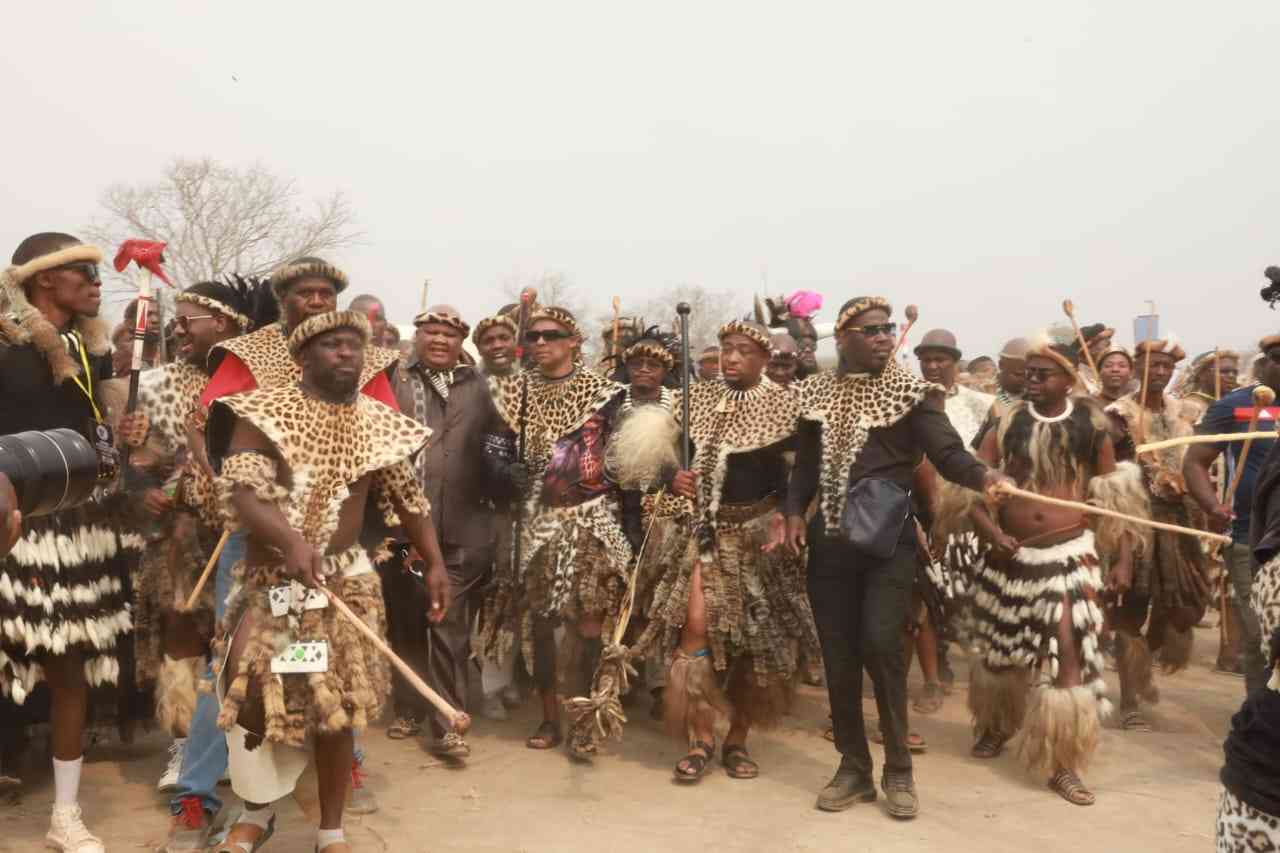
Matabeleland has always been a cradle of creativity, a region rich in heritage and artistic expression. What is happening now is not new—it is a revival, a reawakening of a long-standing cultural strength that is finally being harnessed with intention.
The rise of its creatives is not luck. It is the result of a people who understand that supporting their own is not an obligation, but a responsibility and a source of pride. And in that unity of purpose lies Matabeleland’s greatest power—a power that is not only transforming individual lives, but reshaping the future of its creative industry for generations to come.
*Mthulisi Ndlovu is a Zimbabwean poet, social commentator and cultural activist. His work speaks truth to power, interrogates systems of injustice, and preserves indigenous voices through literary resistance and emancipation.