Earlier this year, I boarded a combi in Gokwe with a woman whose condition left a lasting impression on me. Once known in the community for her beauty and vitality, she was now frail, visibly ill, and struggling to sit upright.
She had just returned from a spiritual healer’s shrine, carrying several plastic bottles filled with muteuro — holy water believed to bring healing.
Throughout the journey, the combi had to make frequent stops as she battled a severe running stomach.
Passengers endured the discomfort in silence, while her daughter apologised repeatedly.
Later, the daughter explained that they believed the illness was the result of witchcraft and that they had exhausted all traditional remedies. Their hope now rested on the muteuro.
I suggested that they visit a clinic for HIV testing.
My advice was initially met with resistance, even suspicion.
But weeks later, I met the same woman again—this time at a local clinic.
- Wadyajena’s super cars towed
- Too young to marry: The secret world of child brides
- Afrophobia: Can some in ANC stand up
- Chief sucked in woman disappearance case
Keep Reading
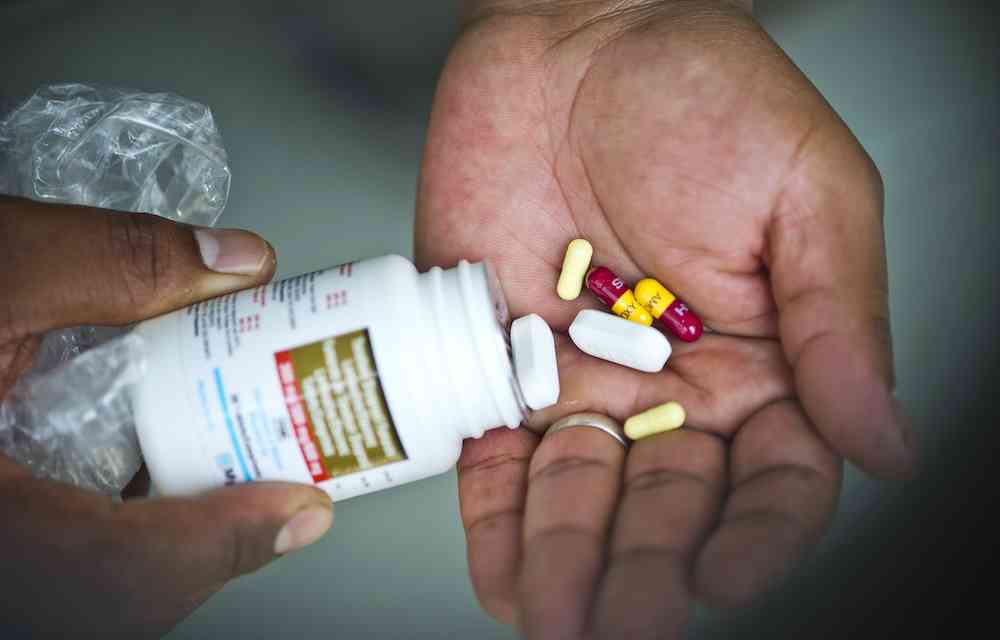
She looked healthier and carried a three-month supply of antiretroviral (ARV) medication.
Both she and her daughter thanked me.
This encounter reflects a troubling reality in our communities: many lives are lost not because treatment is unavailable, but because the right decisions are delayed or avoided.
Too often, people turn first to spiritual or traditional explanations for illness, particularly when it comes to HIV and Aids.
Zimbabwe has long respected traditional and religious healing systems. These practices have historically played an important role in community life. However, in recent years, some have been commercialised and exploited by individuals more interested in profit than people’s wellbeing.
Health has become a business, and vulnerable individuals are often targeted.
Desperate families spend large sums of money seeking cures that do not exist, sometimes only turning to medical professionals when it is too late.
The fear of HIV testing remains widespread, with some even relying on indirect assumptions rather than getting tested themselves.
There is also growing concern about the unchecked influence of certain self-proclaimed prophets and traditional healers.
While many operate legitimately, others abuse their authority, exploiting followers financially, emotionally, and in some cases, physically.
Reports of fraud, abuse, and other criminal activities linked to such figures are increasingly common.
Government oversight is crucial.
Many of these individuals start small, operating below the radar, before expanding into powerful networks with significant influence. By the time authorities act, damage may already have been done.
At the same time, individuals must take responsibility for their health decisions.
Trusting unverified remedies over proven medical treatment can have devastating consequences.
The reality is stark: more lives are lost due to delayed or avoided medical care than from the illnesses themselves.
Encouragingly, many people who eventually seek proper treatment go on to live long, healthy lives. In support groups across the country, individuals who once relied on spiritual or traditional healing alone are now thriving after accessing medical care.
The lesson is clear. Belief systems should not replace medical science, especially when lives are at stake.
Choosing timely, evidence-based healthcare is not a rejection of culture or faith—it is a commitment to survival.
The choice ultimately lies with each of us.