A recent high-level mission by the World Health Organisation and the Ministry of Health has revealed a mixed picture in Matabeleland South of notable progress in key services, but deep structural gaps.
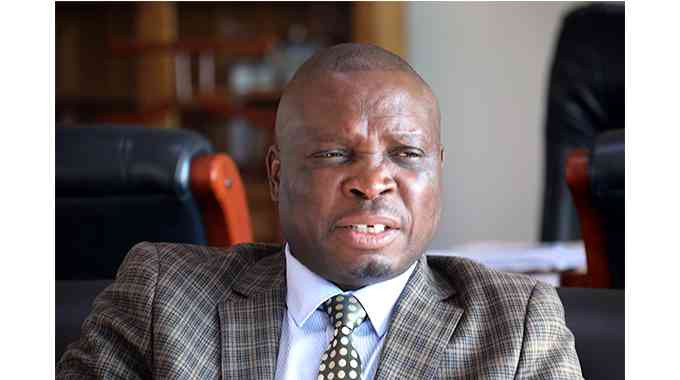
The three-day assessment in late February 2026, led by Health mnister Douglas Mombeshora and WHO representative Desta Tiruneh, toured rural, district and provincial facilities across the province.
WHO acknowledged steady improvements in immunisation, maternal healthcare, HIV treatment, and malaria prevention.
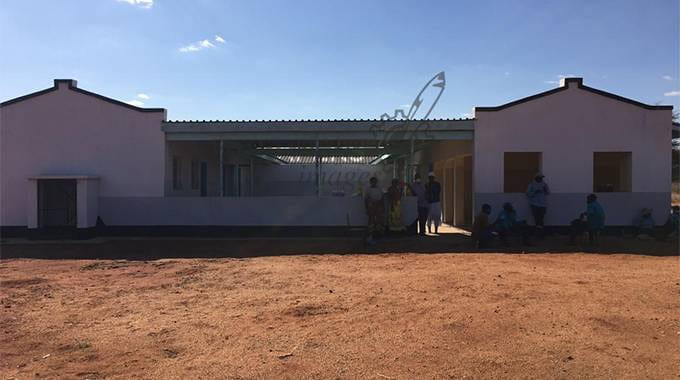
Diagnostic capacity has grown with expanded X-ray and lab services, while new construction and renovations have enhanced care environments.
“This mission strengthens our commitment to invest boldly in our health system,” Mombeshora said, pledging equitable access for all Zimbabweans regardless of where they live.
However, the mission exposed persistent challenges.
The challenges include critical staff shortages, especially nurses and specialised personnel particularly in remote facilities as well as poor staff accommodation in rural areas fuels high turnover.
“Some facilities, weathered by time, face infrastructure constraints and need repair,” the WHO noted.
- I will definitely win 2023 elections: Mwonzora
- We will rule forever: ED says
- Zim health system is in intensive care: How it got there
- Measles death toll hits 650
Keep Reading
“Water shortages, inconsistent power supply, equipment that requires repair or replacement, and occasional medication stock-outs, create hurdles for both patients and providers.”
Tiruneh commended the ministry for “decisive, on the spot actions” to expand training, speed up construction, improve water and solar power, and prioritise staff retention.
According to authorities, Zimbabwe aims to double its health workforce by 2030, creating 32,000 new public sector jobs.
Currently, the country has just over 22 health workers per 10 000 people – half the global benchmark of 44 per 10 000.
Matabeleland South has roughly 143 health facilities, many struggling with these shortages.
The WHO reaffirmed its commitment to supporting Zimbabwe’s health reforms.
The 2022 Health Labour Market Analysis shows Zimbabwe has just over 22 health workers per 10 000 people, far below the global benchmark of 44 per 10 000.